Teotihuacán
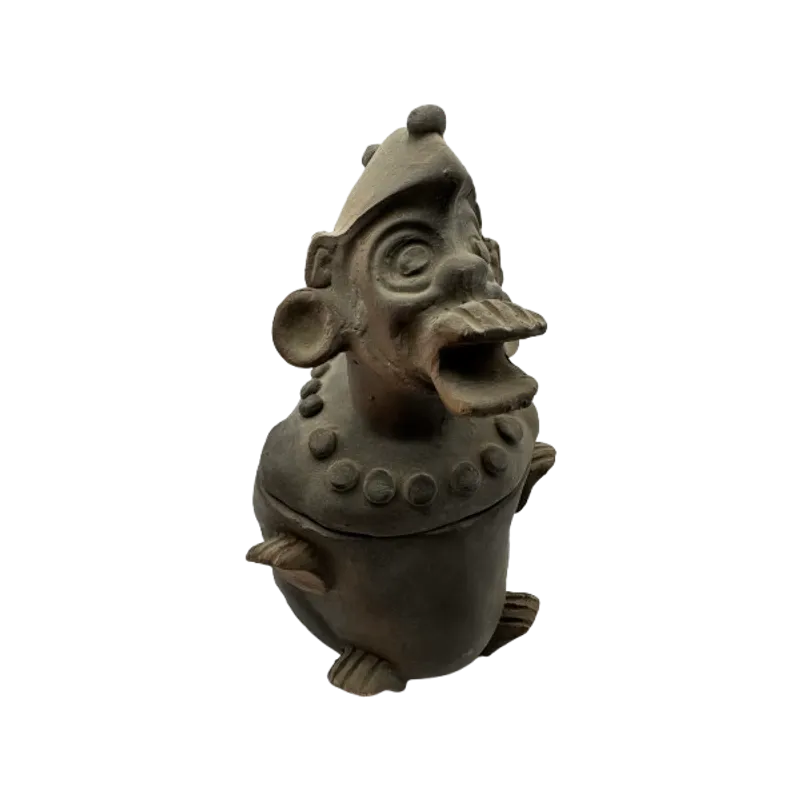
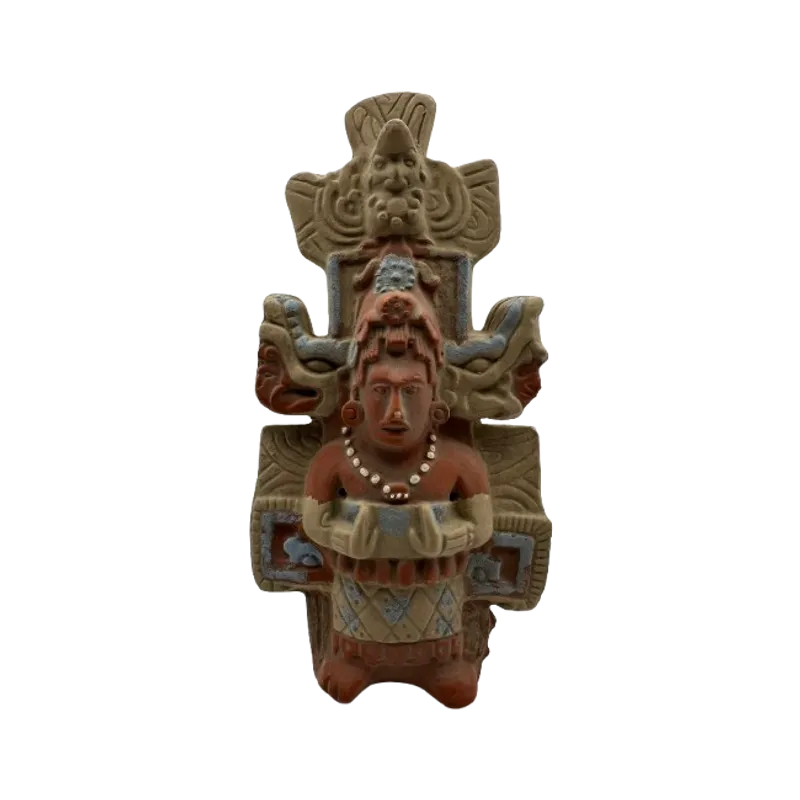
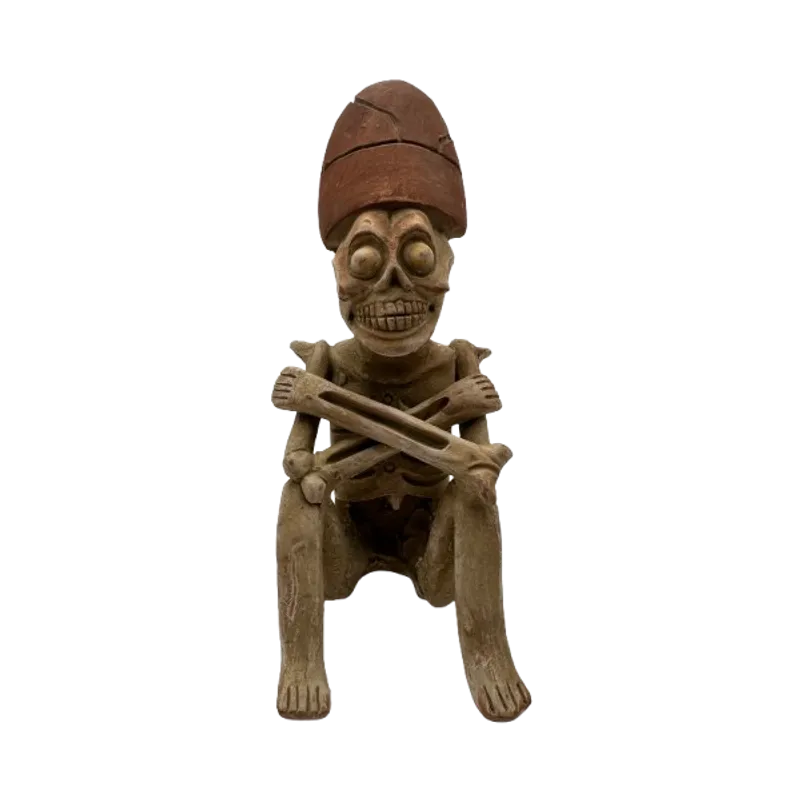
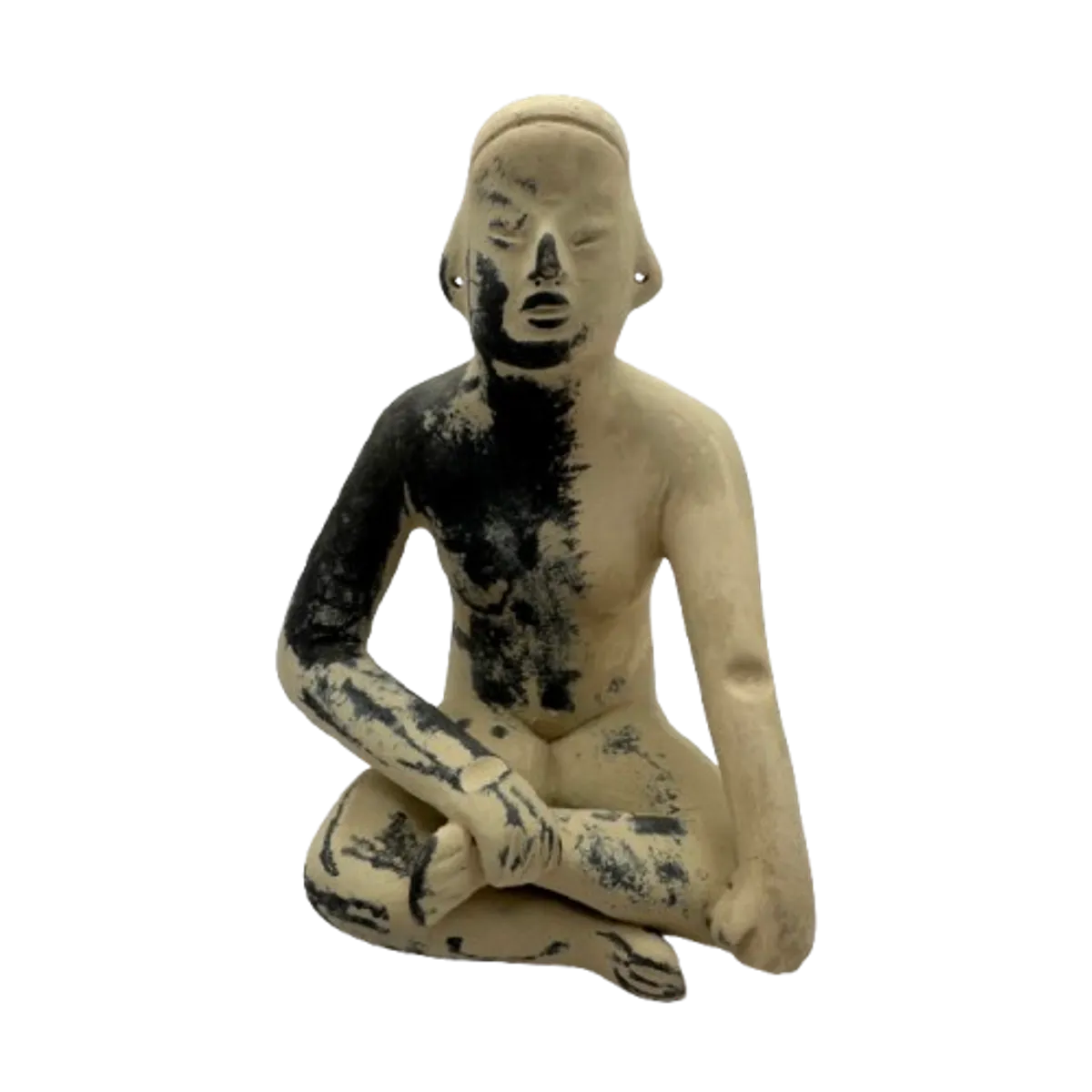
Male Anthropomorphic Figurine
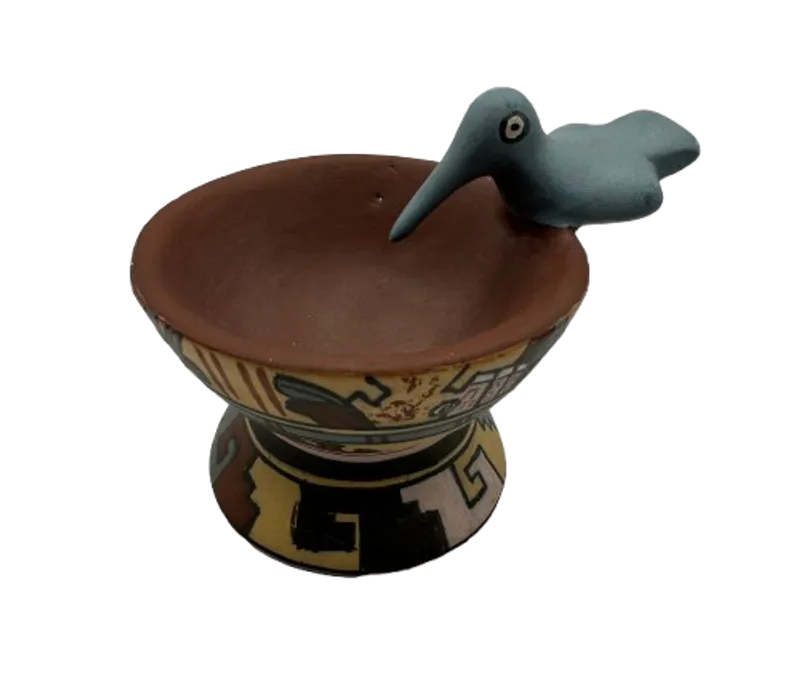
During the peak stage (150-750 BC) the Teotihuacan culture reached its maximum splendor. Proof of this are the objects created by notable artisans who perfected various forms of working with ceramics, both in vessels and in censers, braziers, candlesticks and figurines. Teotihuacan-era figurines are very different in size and type from those of other periods. Most of them were made with molds and retouched. Many of them appear with clothing, partly glued onto a triangular structure.
Period
Clásico (200-600 d.C.)
Culture
Teotihuacán
Museum Location
Museo Nacional de Antropología
Museum Location
Teotihuacan, State of Mexico
Technical Information
Craftsmanship Details
Archaeological Context
This piece represents the rich Mesoamerican artistic tradition, reflecting techniques and symbolisms that have endured through generations.
Discover the profound meaning and historical context of this extraordinary archaeological piece.
Cultural Context
Piece Description
During the peak stage (150-750 BC) the Teotihuacan culture reached its maximum splendor. Proof of this are the objects created by notable artisans who perfected various forms of working with ceramics, both in vessels and in censers, braziers, candlesticks and figurines. Teotihuacan-era figurines are very different in size and type from those of other periods. Most of them were made with molds and retouched. Many of them appear with clothing, partly glued onto a triangular structure.
Historical Significance
artifact.culturalContexts.Teotihuacán.significance
Cultural Importance
artifact.culturalContexts.Teotihuacán.artistry
Teotihuacán
Cultural Legacy
artifact.culturalContexts.Teotihuacán.legacy
Educational Resources
Explore more pieces from this fascinating Mesoamerican culture
Explore More